Post · October 6, 2026A modern apparatus gives a necessary editorial summary, not a time machine. Alexandrinus must be judged through its material history, dated observers, transmissional possibilities, and ecclesiastical reception.
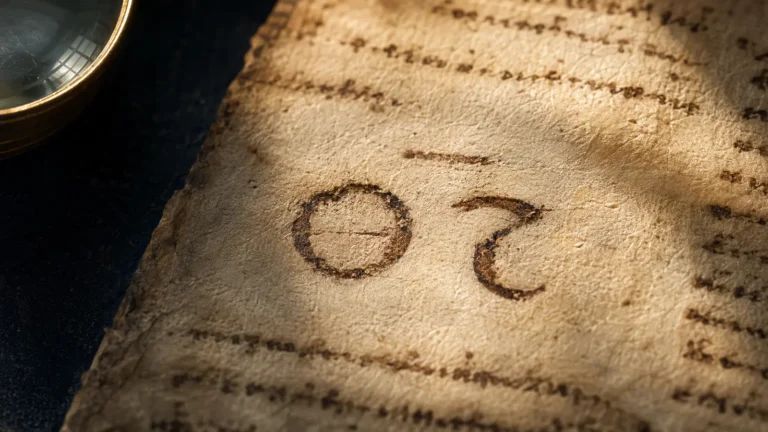
Open record → Post · September 8, 2026Woide reportedly saw the trace in 1765 but not in 1785. Scrivener saw a faint remnant in 1861. Their testimony makes deterioration part of the textual evidence.
Open record → Post · September 1, 2026The strongest historical objection came from a scholar who first acknowledged the fine stroke and later denied it. Wettstein’s reversal must be heard fairly—but it does not erase…
Open record → Post · August 25, 2026In 1707 John Mill changed his first judgment after closer inspection. In 1741 Henry Berriman used magnification and sunlight and reported part of the older stroke. These are…
Open record → Post · August 18, 2026The earliest English collators treated Alexandrinus as reading θεός, but their evidence must be weighed honestly. Collational silence is not the same thing as a described inspection.
Open record →